Physics Puzzle Quest stands out because its control scheme is unusually narrow: tap distance is the only input, and the ball only responds again after a collision. That constraint turns each level into a sequence of force choices rather than a test of reflexes. The obstacle set, including machine arms, anti-gravity bubbles, transportation doors, and forbidden areas, gives later layouts room to combine mechanics. Optional stars add replay value for players who want to master routes. The main limitation is that the input does not specify level count or difficulty curve details, so players seeking a long campaign should treat that as unknown.
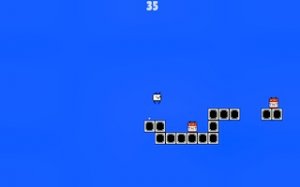
The ball does not move until you tap. The distance between your tap and the ball sets the impulse: a close tap nudges it gently, a farther tap sends it harder. After each launch, the ball travels freely until it hits something, then stops and waits for your next input. That pause is the whole game. You are not steering mid-air; you are choosing a force, watching the result, and using the collision point as the start of the next decision.
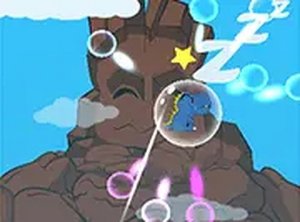
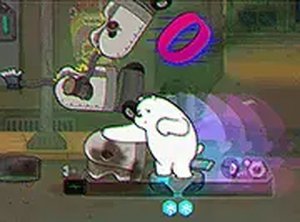
Levels are built from machine arms, anti-gravity bubbles, transportation doors, and forbidden areas. Each one alters how the ball moves or where it can safely go. A machine arm may redirect momentum, a bubble may suspend gravity, and a door may relocate the ball entirely. Because the ball only reacts on contact, the order in which you hit these elements matters. A route that works from one angle can fail from another, so the layout itself becomes the puzzle.
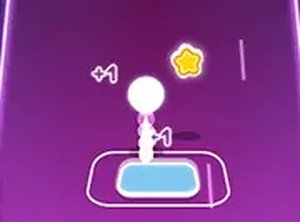
Optional stars sit along the path to the goal. Collecting them is not required to finish, but it changes how you approach a level: you may accept a slower route, a riskier bounce, or a sequence that uses an obstacle twice. The game is described as having multiple levels with increasing difficulty, each introducing new obstacles or new combinations of existing ones. That progression keeps the tap-force mechanic from settling into a single habit.
Short sessions work because each level is a self-contained problem. Longer sessions work because later layouts ask you to chain moves and read the whole board before the first tap. Players who enjoy planning a route, adjusting force by small amounts, and retrying a failed idea will get the most from it. [IMG_0]
Sign in to comment
You must be logged in before posting a review or rating.
No comments yet. Be the first to comment!


Editorial Notes