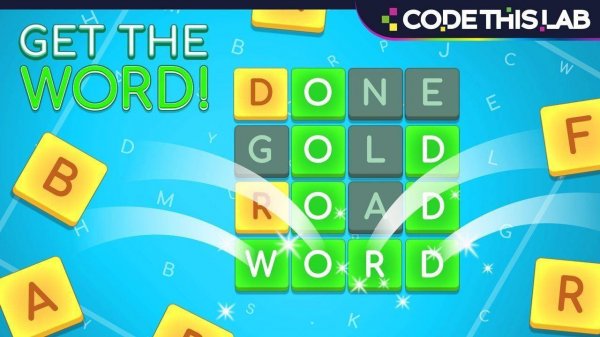
Daily Letter Logic strips the word-guessing format down to its essentials: one five-letter word, six tries, and color-coded feedback after each guess. The absence of timers, scores, and accounts keeps the experience low-pressure and accessible, while the daily reset builds a steady habit. Players who enjoy logic puzzles and vocabulary challenges will find the deduction loop satisfying. The main limitation is that the game offers no definitions or hints, so unfamiliar words may require outside reference.
Daily Letter Logic presents a single five-letter word each day. Players submit guesses and receive immediate feedback after every attempt. The goal is to identify the hidden word within six tries, using the results of previous guesses to narrow the possibilities. There is no time limit, so the pace is entirely up to the player.
After each guess, every letter is marked with a color. A green marker means the letter is correct and in the right position. A yellow marker means the letter appears in the word but sits in a different spot. A gray marker means the letter is not part of the word at all. This system gives players concrete information to work with, so solving depends on logical deduction rather than luck.
Because the puzzle changes once per day, players around the world work on the same word at the same time. The format asks for only a few minutes of attention, though nothing stops a player from spending longer planning each guess. With no scores, timers, or leaderboards, the only measure of success is whether the word is found.
The layout is deliberately simple: a grid of letters with color feedback that is easy to read at a glance. It works on desktop and mobile browsers alike. No account creation or personal data is required, which keeps the barrier to entry low and avoids unnecessary friction.
Regular play exposes players to a wider range of words, including some less common ones. The feedback system reinforces spelling and word structure over time. Since the game includes no dictionary or definitions, unfamiliar words may prompt players to look them up on their own, turning a puzzle session into a small vocabulary exercise.
Sign in to comment
You must be logged in before posting a review or rating.
No comments yet. Be the first to comment!








Editorial Notes