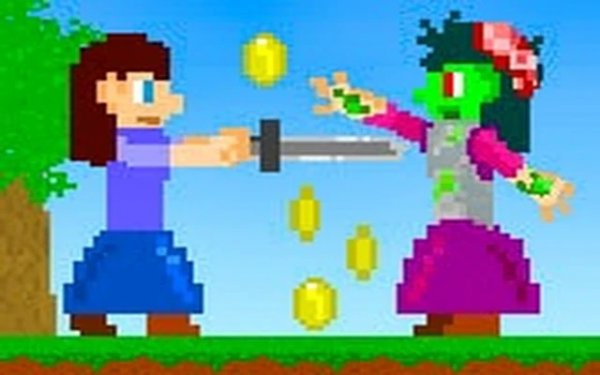
Buddy Brigade stands out for making cooperation structural rather than optional: one health bar, one coin pool, and doors that need two people to open. The 8-bit look and simple keyboard-plus-arrow controls keep the barrier low, while the shared-resource design creates real tension and conversation. Sessions of 20–40 minutes suit short play. The non-violent, puzzle-focused approach makes it a good fit for families or friends who want a cooperative challenge without combat. The main limitation is that solo play is not supported, so it requires a partner.
Buddy Brigade ties both players to a single health bar and a shared stack of coins. Nothing is individual: if one player takes a hit, the team suffers; if one buys an upgrade, the other benefits. This design turns every corridor advance and every shop visit into a joint decision. The tension comes from knowing that a careless move by either partner affects the whole run, and the satisfaction comes from surviving together.
Levels are organized around interactive doors that lead to new chambers. Opening a door requires a coordinated action from both players, so progress is gated behind cooperation rather than solo skill. Between rooms, shops let the team spend pooled coins on ability enhancements. Upgrades might improve movement speed, increase health capacity, or grant temporary boosts. Because coins are limited, deciding which upgrade to buy first is a strategic conversation, not a solo choice.
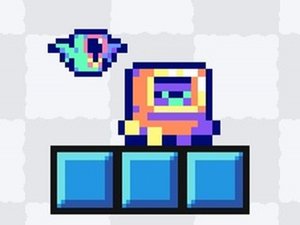
The game uses a crisp 8-bit pixel art style reminiscent of late-80s arcade cabinets, with small expressive characters and bright, distinct color palettes. Controls are deliberately simple: one player uses keyboard keys for movement and interaction, while the other uses arrow keys. The low barrier to entry means first-time gamers can join without a steep learning curve, and the touch-screen support makes it accessible on mobile devices as well.
Many barriers demand simultaneous button presses, while others require one player to hold a switch while the other passes through. These moments force real-time communication and build a sense of partnership. Difficulty scales gradually, introducing new coordination tests as players become more comfortable working as a unit. The game keeps a cheerful, non-violent tone: challenges are environmental puzzles and timing-based tasks rather than combat, making it suitable for siblings, parent-child pairs, or friends of any age. Sessions typically last 20–40 minutes, which fits a quick play session.
Sign in to comment
You must be logged in before posting a review or rating.
No comments yet. Be the first to comment!



Editorial Notes