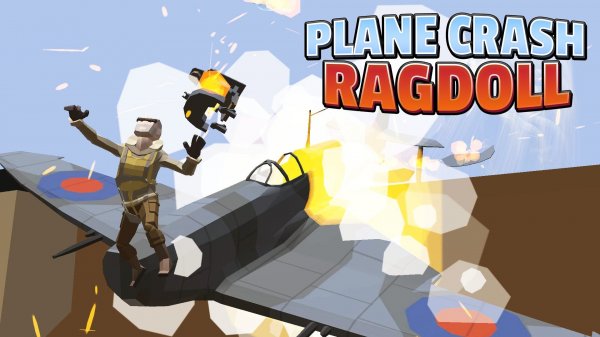
Aerial Course Commander delivers a focused flight experience where fuel management and obstacle avoidance shape each run. The choice between planes and helicopters adds tactical depth, while visual customizations let you personalize your setup. The gradual difficulty curve and varied mission types keep the gameplay engaging without overwhelming newcomers. It suits players who enjoy arcade-style simulation with clear objectives and steady progression.
In Aerial Course Commander, you control a range of aircraft using a responsive joystick system. Starting the engine begins each run, and steering through the sky requires steady input. The primary challenge is steering clear of obstacles while monitoring a fuel gauge that depletes over time. Reaching the designated landing zone with enough fuel remaining is the goal of each stage. This setup rewards consistent control and forward planning.
The game offers a lineup of flying machines, including both planes and helicopters. Each type handles differently: planes favor speed and stability, while helicopters provide greater maneuverability in tight spaces. You can unlock and apply visual customizations to both your pilot character and aircraft. These cosmetic options allow for personal expression without affecting performance.
As you advance, the courses introduce new environmental factors that test your skills. Narrow passages require precise steering, while shifting weather patterns can affect visibility and control. Later stages combine these elements, demanding greater focus and adaptability. The difficulty curve is designed to gradually build competence, making each new challenge feel earned rather than overwhelming.
Different mission types keep the gameplay fresh. Some stages emphasize obstacle avoidance, while others focus on completing specific tasks or performing smooth landings. This variety ensures that you must adapt your approach rather than relying on a single strategy. Each mission type reinforces different aspects of piloting, from spatial awareness to timing.
The game includes a detailed pilot figure that reacts to in-game movements, such as leaning during sharp turns. This small touch adds to the sense of being in the cockpit. The environments are designed to feel distinct, with each stage offering a different visual backdrop that complements the gameplay challenges. The overall presentation supports the simulation feel without overwhelming the player.
Sign in to comment
You must be logged in before posting a review or rating.
No comments yet. Be the first to comment!





Editorial Notes