
Neon Jump Arcade Runner keeps its scope tight: jump upward, avoid the void, and chase a higher score. Procedural platforms prevent memorization, while increasing speed and moving or disappearing platforms add pressure. The neon look aids readability during fast sections. Short sessions and simple controls make it easy to start, though players seeking story or deep progression will find none here. It suits fans of arcade reflex games who enjoy leaderboard chasing.
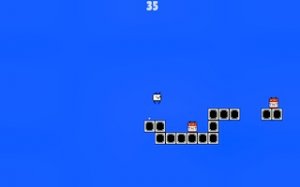
Neon Jump Arcade Runner drops players into a vibrant neon landscape where the only goal is to jump as high as possible. Platforms are procedurally generated, so the path upward changes with every attempt. The character moves forward automatically, and your job is to time each jump so you land safely on the next platform. Miss the timing, and you fall into the void. That single rule defines the entire experience, and it is explained without menus or tutorials.
What starts as a steady climb becomes a test of reflexes. As you progress, the game speed increases. Platforms may also move or disappear, so a jump that worked a moment ago may not be safe on the next attempt. You are not managing resources or fighting enemies; you are reading the screen and reacting. The void below is the only penalty, which keeps the pressure constant without adding complex systems.
[IMG_1]Procedural generation is the backbone of the game's replayability. Because platforms are not fixed, you cannot memorize a single route. Instead, you learn to recognize patterns and react to new layouts. The neon color palette makes platforms and gaps readable against the background, which matters when speed rises. Global leaderboards give each run a purpose beyond survival, letting you compare your highest climb with players worldwide.
Runs are designed for short sessions. You can play for a few minutes, set a score, and stop without losing progress or managing a save file. Controls are intuitive, so new players can start jumping immediately. The difficulty curve is gradual: early platforms are forgiving, and later sections demand faster decisions. That balance keeps the game approachable while still giving experienced players a reason to keep practicing.
Sign in to comment
You must be logged in before posting a review or rating.
No comments yet. Be the first to comment!







Editorial Notes