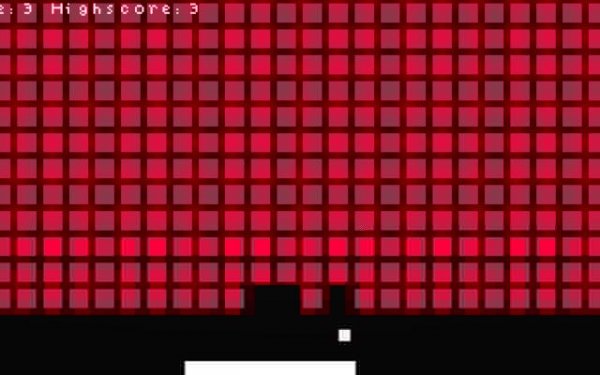
Classic Brick Breaker Arcade targets players who want the original paddle-and-ball loop without extra systems layered on top. Its strengths are the physics-based rebounds, which make paddle position meaningful, and the progressive difficulty that keeps later screens from feeling like filler. The retro pixel look fits the genre. The main limitation is scope: the source describes a focused arcade experience rather than a content-rich one, so players seeking deep progression or varied modes should set expectations accordingly.
Classic Brick Breaker Arcade strips the brick breaker formula to its essentials: a paddle at the bottom, a ball in motion, and a wall of bricks waiting to be cleared. You move the paddle horizontally using keyboard arrow keys or on-screen controls, then deflect the ball upward to chip away at the bricks. Missing the ball ends the attempt, so every rebound is a small decision about angle and position.
The ball's behavior is physics-based, which means where it strikes the paddle changes where it goes. Hitting with the paddle's edge sends the ball at a sharper angle; catching it near the center produces a straighter return. That single rule is what separates a lucky run from a controlled one. Players who learn to aim rebounds rather than simply react to them will clear screens faster and reach awkward brick clusters that a passive approach cannot touch.
Each level presents a distinct brick arrangement rather than a recolored copy of the last one. Early screens leave wide gaps and forgiving angles; later ones tighten the space and demand quicker paddle adjustments. The difficulty curve is deliberate: simple enough to learn in a minute, demanding enough that timing and positioning decide how long a run lasts. Because layouts vary, no single rebound pattern carries over from one screen to the next.
Vibrant pixel visuals and a retro-inspired design frame the action without getting in the way. The game runs directly in a web browser with no download or installation, which makes it suited to short sessions as easily as longer ones. Responsive controls keep paddle movement predictable, so mistakes feel like your mistakes rather than the game's.
Sign in to comment
You must be logged in before posting a review or rating.
No comments yet. Be the first to comment!









Editorial Notes