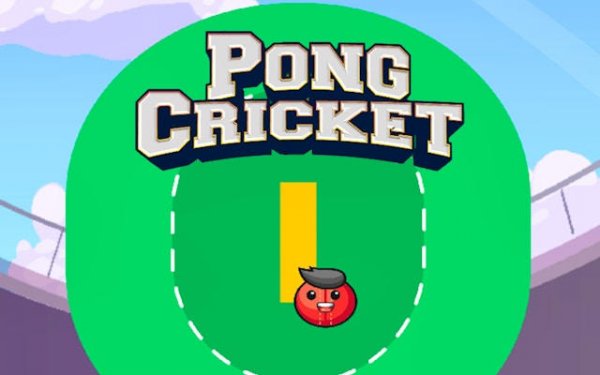
Pong Cricket Arcade Sports works because it narrows its scope: one paddle, one ball, and target zones that turn every return into a scoring decision. The hyper-casual format suits short breaks, and the changing ball speed keeps later rallies tense. It will appeal most to players who enjoy reflex games with a light strategic layer. Those wanting deep cricket mechanics or team management should look elsewhere, as the game stays deliberately simple.
Pong Cricket Arcade Sports takes the left-right paddle control from pong and applies it to cricket-style scoring. Rather than simply keeping a rally alive, the player aims returns at designated target zones that represent runs or points. A successful hit can earn points, but letting the ball pass the paddle ends the attempt. This shifts the focus from survival to deliberate shot placement, so every return involves a small decision about angle and timing.
Play happens at a fast pace. The ball launches from the opposite side, and the player slides the paddle along the bottom of the screen using mouse or touch input. Speed and trajectory change as a session progresses, so early rallies feel manageable while later ones demand quicker reactions. Because the paddle only moves on one axis, positioning matters more than complex inputs. Staying near the center gives the best chance to reach either side, while precise, gentle movements keep control during sudden angle changes.
The hyper-casual structure means rounds are brief and restarting is quick. There is no long setup or complex progression to manage; the challenge comes from reading the ball early and choosing return angles that hit scoring zones. This makes the game easy to pick up for a few minutes, but the scoring targets add a layer of intent that pure pong lacks. Players who enjoy reflex games with a light strategic twist are the most likely audience, while those seeking deep cricket simulation or full team management will find the scope intentionally narrow.
The presentation stays minimal, keeping attention on the ball, paddle, and target areas. A clean layout supports quick reads of the ball's path without visual noise. Online play supports quick matchmaking or solo challenges, depending on the mode selected. The design favors clarity over spectacle, which suits the fast decision-making the game asks for.
Sign in to comment
You must be logged in before posting a review or rating.
No comments yet. Be the first to comment!










Editorial Notes