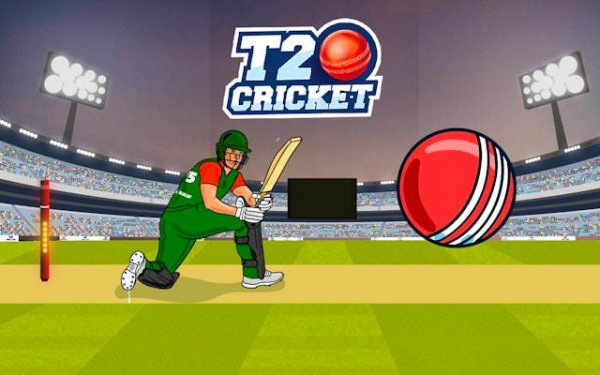
T20 Cricket Batting Challenge narrows cricket down to the batsman's duel with the bowler. The appeal is in the split-second read of line, length, and speed, then choosing a block, drive, cut, or pull. Team selection and crowd reactions add context, but the core is timing and decision-making. It suits players who want a streamlined batting test rather than a full management sim.
Every delivery begins with the bowler's approach and arm movement. That brief window is where the game asks you to judge line, length, and speed before the ball arrives. Because the batting system is ability-based, the quality of your read directly shapes which stroke is viable. Misjudging a shorter ball can leave you reaching; misreading a fuller one can turn a safe block into a mistimed drive. The stadium crowd reacts to the action, but the real feedback comes from how cleanly your bat meets the ball.
Shot selection is the central decision. A defensive block keeps your wicket intact when the delivery is threatening or hard to read. Attacking options such as the drive, cut, and pull offer scoring opportunities, but they demand tighter timing. The game does not reward blind aggression; a well-timed defensive shot can be as valuable as a boundary when the situation calls for caution. Adapting to different bowling styles and match situations is part of the challenge, whether you are conserving wickets early or pushing the run rate later.
The lively stadium setting and crowd reactions reinforce the fast-paced feel of Twenty20 cricket. Team selection options let you approach matches with different lineups, while the bowling action stays brisk to mirror the format's tempo. There is no elaborate career mode described here; the focus stays on the batting duel itself. That narrow scope is deliberate, keeping each ball a test of timing and decision-making rather than a management sim.
Improvement comes from repetition. Starting with defensive shots helps you build confidence in reading trajectories before attempting aggressive strokes. Focusing on timing rather than power tends to produce better results, and patience pays off when loose deliveries finally arrive. Regular practice sharpens reflexes and decision-making, which matters because the game emphasizes quick thinking and precision over raw input speed.
Sign in to comment
You must be logged in before posting a review or rating.
No comments yet. Be the first to comment!




Editorial Notes